Performance Marketing
Paid Advertising for Retail & E-Commerce
Google Shopping, Meta catalog ads, and retargeting campaigns that turn browsers into buyers — and first-time buyers into repeat customers.
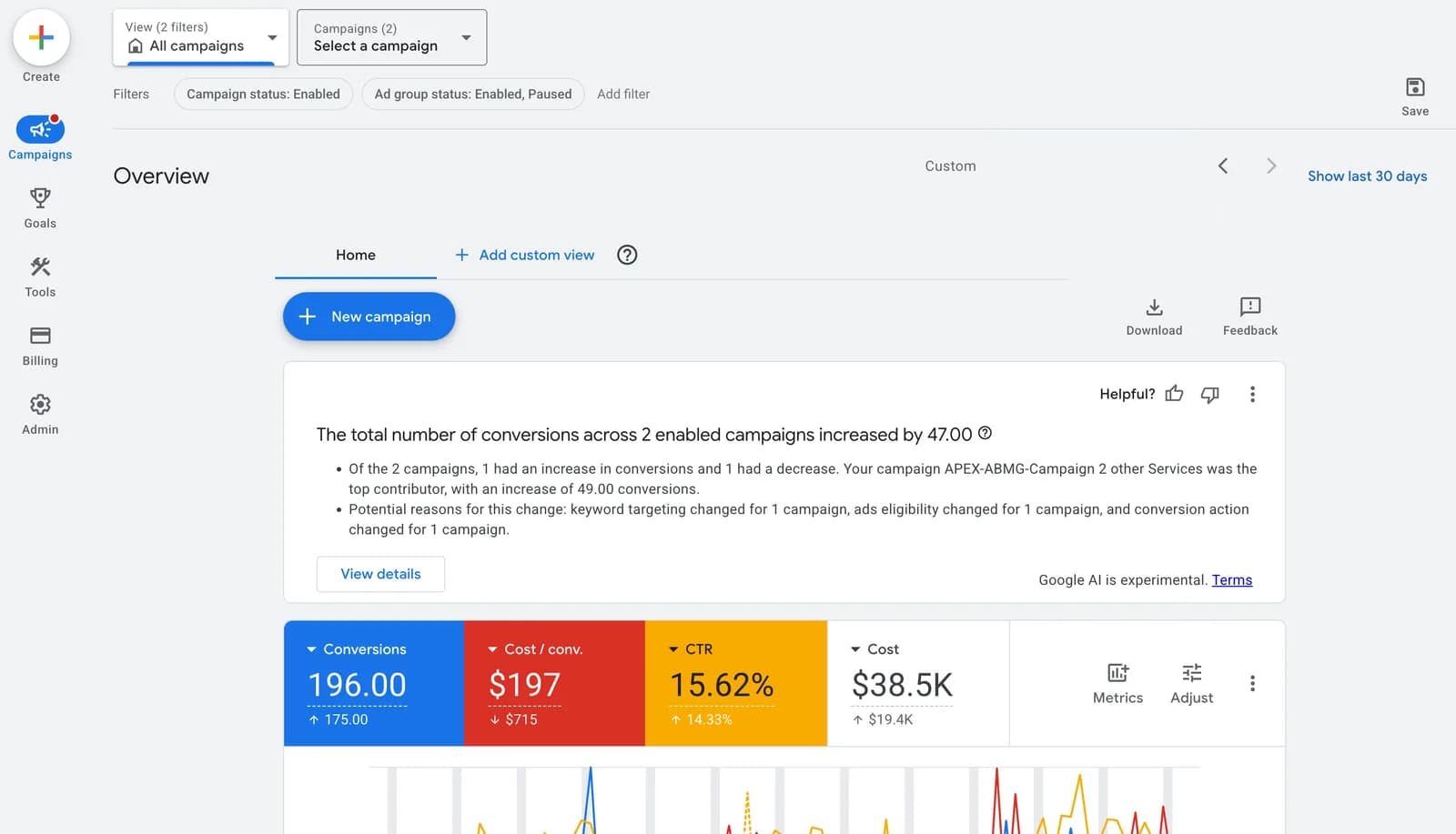
The Problem
Retail paid advertising is a game of margins: you're paying to acquire a customer whose first purchase might only be $50–$100. If your campaigns aren't precisely targeted, your CAC exceeds your first-order profit and the unit economics collapse. Most retailers run broad campaigns that generate traffic but not profitable traffic. Google Shopping feeds aren't optimized, so products show up for irrelevant searches. Meta ads target 'interested in shopping' audiences that are too broad to convert. Retargeting — which drives 30–40% of e-commerce revenue — is either not running or running with stale creative showing products the customer already bought. Meanwhile, inventory changes daily, seasonal timing is critical, and most agencies treat retail like every other vertical. Retail and ecommerce brands get the same PPC management in New Jersey we run for every client, adapted to their market.
Our Approach
We build retail ad campaigns around the metrics that matter: ROAS, cost per acquisition, and customer lifetime value. Google Shopping campaigns use optimized product feeds with compelling titles, competitive pricing visibility, and negative keyword management to prevent wasted spend on irrelevant searches. Meta catalog ads dynamically serve your product inventory to audiences based on browsing behavior, purchase history, and lookalike modeling. Retargeting is the linchpin — abandoned cart sequences, browse abandonment, and cross-sell campaigns drive the 30–40% of revenue most retailers leave on the table. Seasonal campaign calendars ensure you're ramping spend before Black Friday, not scrambling the week of. Every campaign tracks to revenue and ROAS, not impressions. a NJ roofer's Google Ads rebuild shows what this looks like in practice.
What We Deliver
Google Shopping campaign management with optimized product feeds
Meta catalog ads with dynamic product retargeting
Abandoned cart and browse abandonment retargeting sequences
Seasonal campaign calendar (Black Friday, holidays, key retail moments)
Cross-sell and upsell campaigns targeting existing customers
Monthly reporting tied to ROAS, cost per acquisition, and revenue
What You Can Expect
Profitable customer acquisition through precisely targeted campaigns
30–40% revenue recovery through retargeting and abandoned cart campaigns
Seasonal revenue peaks captured through planned campaign calendars
Full attribution from ad spend to revenue by product and campaign
Other Services for Retail & E-Commerce
Paid Advertising for Other Industries
Frequently Asked Questions
How does your marketing stack up?
Get Your Growth ScoreAnother Quarter Is Going to Pass
Either Way.
Spend it compounding.
You've already tried doing it yourself, hiring for it, or handing it to an agency. The next quarter can go the same way, or one team can finally own the whole thing. Apply in 2 minutes. Our team reviews every application within 48 hours.
Select clients only · Every application personally reviewed